
A good display answers three questions before a salesperson speaks: what is new, what goes together, and where to find my size. This is a practical reset for a small boutique team. Allow 45 minutes to build it and 10 minutes each day to keep it useful.
Before you move a rail: choose the job of the display
Pick one outcome for the next seven days: introduce a new story, increase outfit purchases, or bring attention to a style that customers overlook. Write the goal down. A display with one job is easier to judge than one carrying every product you want to sell.
- Hero piece: the garment that makes someone stop.
- Easy companion: a quieter piece that makes the hero wearable.
- Finishing piece: a layer, bag or jewel that completes the look without hiding the garment.
The 45-minute boutique reset
Minutes 0–10 · Edit
Take everything off the feature. Choose one visual story and no more than three complete looks. Keep adjacent prints or colours together; put unrelated merchandise back on the regular rail. Check that each displayed garment is clean, steamed, priced and available in at least the sizes your customers most often request.
Minutes 10–25 · Build a complete look
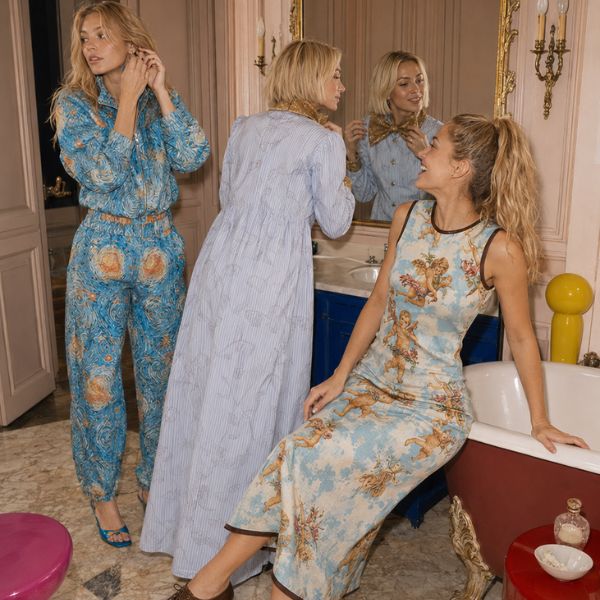
Put the strongest look at eye level or on a mannequin. A Be Sunset printed blouse can sit with a coordinating skirt or trouser from the same story; if the print is bold, show a second version with a plain piece. The point is to give the customer a styling answer, not to prescribe a uniform. Leave a little empty space around the focal look so its texture and silhouette read from a distance.
Minutes 25–35 · Make it shoppable
Place the corresponding sizes on a rail within a few steps of the display. Group by style, then size, with a visible price on the garment. If a mannequin wears a full look, keep every component nearby. If a size is missing, substitute a different look rather than showcasing an outfit the team cannot sell.
Minutes 35–45 · Test the sightline
Stand at the entrance and at the point where customers turn into the category. Can you identify the hero item and its companions in three seconds? Ask a colleague who did not build the display to name the product they would pick up first. Move or remove anything that competes with that item.
A simple floor example
For a six-piece edit, try one dress, one statement top, one matching bottom, one quiet bottom, one layer and one accessory. Show the dress as a full look, and style the statement top twice: once as a matching set and once with the quiet bottom. This makes six products feel like a small wardrobe rather than six isolated hangers. Adjust the mix to your own customer and stock, rather than treating it as a fixed buying ratio.
What to measure over the next seven days
- Attention: how many customers stop, touch or ask about the display?
- Try-ons: which featured styles reach the fitting room, and which sizes are requested?
- Outfit attachment: are customers taking a companion piece with the hero?
- Missed sales: note unavailable sizes, unclear fit and styling objections in the customer's own words.
Do not judge a display only by revenue on day one. If people stop but do not try on, the price, fit or accessibility may be the problem. If they try on but do not buy, ask what felt wrong. If they buy only the hero, make the companion piece easier to see and try.
Weekly checklist for the team
- Replace sold sizes and remove damaged or creased pieces.
- Keep the story grouped and the prices easy to find.
- Review the four observations above in a short team handover.
- Send specific feedback to your agent: style, size, customer reaction and desired service date.
- Change one element at a time so you can tell what helped.
Looking for the collection behind your next display? Apply for wholesale access or speak with your Be Sunset agent about the styles and sizes that suit your store.